BMO RDSP: how to open one, what it holds and what it costs
What a BMO RDSP is and who can open one
How a BMO RDSP works: who can open one, how to apply through a BMO professional, what it can hold, what BMO's terms say it costs and how to transfer.

BMO offers a Registered Disability Savings Plan, and it sends you to a person to open one. BMO's RDSP page lists a single way to invest, "With a BMO professional", and the phone number it gives is 1-800-665-7700. This guide covers who can open a BMO RDSP, how to open one, what it can hold, what BMO's own terms say it costs, and how to withdraw or transfer. BMO pages, BMO Investments Inc. terms and Government of Canada pages were read on October 4, 2026.
Does BMO offer an RDSP?
Yes. BMO offers RDSPs, and the Government of Canada lists Bank of Montreal among the organizations that issue them, with the phone number 1-800-665-7700. BMO's terms name BMO Trust Company as trustee and BMO Investments Inc. as its agent for administration, so the plan is held in trust rather than as a plain bank account.
BMO's RDSP page describes the investments and how to reach a professional. The BMO Investments Inc. Terms and Conditions, effective December 8, 2025 and amended March 25, 2026, hold the fee and account rules. Government of Canada pages set the rules for grants, bonds, contributions and withdrawals, and those rules are identical at every issuer.
That last point shapes the decision. A BMO RDSP and an RDSP elsewhere earn the same grants and bonds for the same contributions and family income. The real differences are how you open the plan, what you can hold and what it costs. Our RDSP provider comparison sets BMO beside TD, RBC and other options.
Amounts in this guide come from BMO Investments Inc. Terms and Conditions, read on October 4, 2026. They exclude applicable taxes and can change, so confirm them with BMO before you sign.
| Item | What the documents say | Source |
|---|---|---|
| Who issues the plan | BMO Trust Company as trustee, with BMO Investments Inc. as agent | BMO Investments Inc. terms |
| How to start | Call 1-800-665-7700, book an appointment or visit a branch | BMO RDSP page |
| Investments listed | GICs and mutual funds, through a BMO professional | BMO RDSP page |
| RDSP savings account minimum | About $50 to open and $25 for each later deposit | BMO Investments Inc. terms |
| Annual administration fee | About $10 a year is listed for RRSP and RESP accounts, and no RDSP amount is named | BMO Investments Inc. terms |
| Fee for moving a registered plan out | About $50 plus taxes may apply | BMO Investments Inc. terms |
| Grants and bonds | Same federal rules and 2026 income thresholds as every issuer | Government of Canada |
Who can open a BMO RDSP?
The beneficiary must be approved for the disability tax credit, live in Canada, have a Social Insurance Number and apply before December 31 of the year they turn 59. The plan holder, who may be a parent, guardian or the beneficiary, also needs a SIN. You do not need an existing BMO account to open a plan.
BMO's RDSP page words the age rule differently. It says the beneficiary needs to be under 60 to open an account. The Government of Canada wording is the stricter one, because it sets December 31 of the year the beneficiary turns 59 as the last day to apply. Treat the government date as the deadline and ask BMO to confirm in writing.
The beneficiary is the person who will receive the money, and the holder opens and manages the plan. They can be the same person. A beneficiary can have only one RDSP and each plan has one beneficiary, so someone with a plan elsewhere moves it to BMO by transfer instead of opening a second one.
Approval is the first gate. If the disability tax credit has not been granted, the T2201 comes first, and our T2201 guide explains how to apply.
How do you open a BMO RDSP?
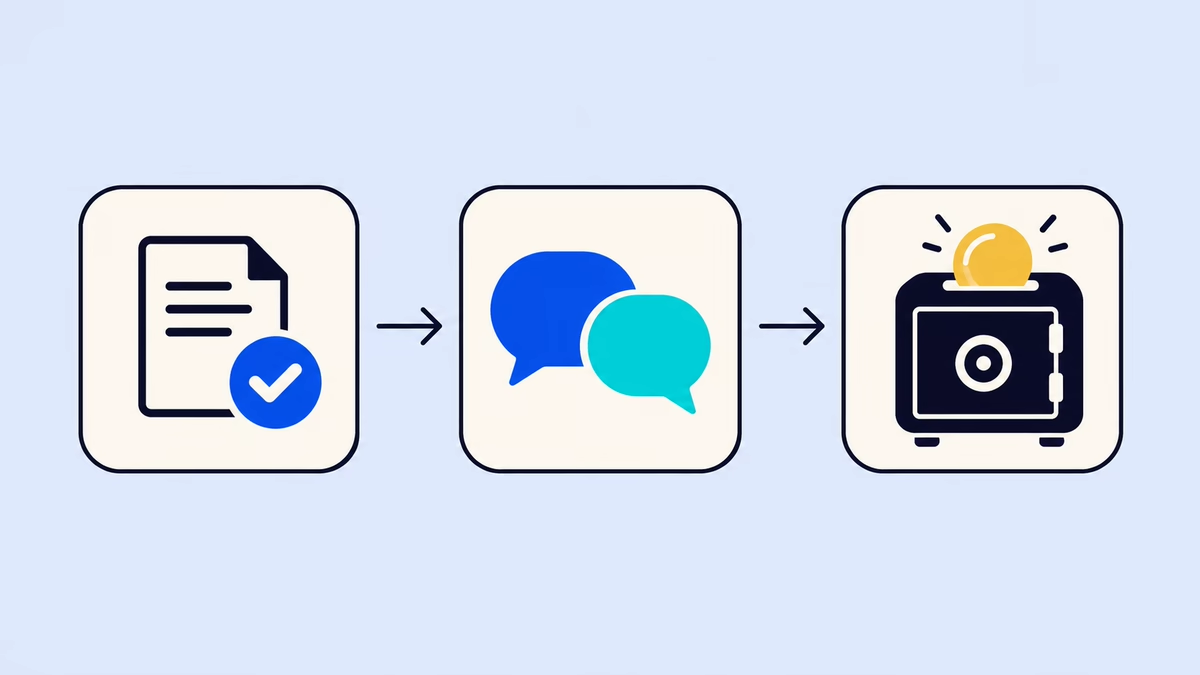
Call BMO at 1-800-665-7700, book an appointment or visit a branch, and ask a BMO professional to open an RDSP. BMO's RDSP page showed no online application on October 4, 2026, only contact through a professional. Bring the CRA notice approving the disability tax credit, Social Insurance Numbers for the holder and beneficiary, and the identification BMO asks for.
BMO's page lists three ways to make contact: the phone number, a booked appointment and a branch finder. Each ends with a BMO professional who completes the plan application. Ask about the Canada Disability Savings Grant and Bond application at the same time, because the Government of Canada says to apply for grants and bonds when opening a plan.
Use this checklist for the first call. Each row is something BMO or the government will ask for, with who normally supplies it.
| Step | What to prepare | Who supplies it |
|---|---|---|
| Confirm approval | The CRA notice approving the disability tax credit for the beneficiary | Beneficiary or representative |
| Gather identity details | Social Insurance Numbers for the holder and the beneficiary, plus the identification BMO requests | Holder and beneficiary |
| Decide who holds the plan | A parent or guardian for a minor, the beneficiary for a capable adult, or a spouse, partner, adult sibling, parent or guardian where the beneficiary cannot sign a contract | Family |
| Choose investments | A GIC, mutual funds or the RDSP savings account, matched to when withdrawals may start | BMO professional with the holder |
| Apply for grant and bond | Family income from the tax return filed two years earlier, which is the 2024 return for 2026 | Holder with BMO |
| Set up contributions | A first deposit, or automatic contributions, which BMO's guide suggests | Holder |
BMO's published application forms are older documents written for branch staff. Its RDSP transfer form carries an October 2015 form date, for example. That is another sign the process runs through a person, and a reason to ask for current forms instead of printing an old PDF.
What can a BMO RDSP hold?
BMO's RDSP page lists GICs and professionally managed mutual funds, both through a BMO professional. BMO's terms also describe an RDSP savings account that takes about $50 to open and $25 per later deposit. That is a narrower menu than a self-directed brokerage account, which can hold individual stocks and ETFs.
Each option behaves differently. BMO says a GIC returns your original investment at the end of its term at a guaranteed rate, which suits money you expect to leave alone. BMO's own disclosure says a mutual fund's value can go down as well as up, and every fund carries a management expense ratio. The savings account pays interest on the daily closing balance, paid monthly, at rates BMO can change, and it can be redeemed on request.
BMO's RDSP page names only "With a BMO professional" as the way to invest. We found no RDSP in the account types named in the FAQ for BMO InvestorLine, its self-directed brokerage, though that list says "including" and may not be complete. Its pricing page does not mention RDSPs either. If you want to choose your own ETFs and stocks, ask BMO directly whether a self-directed RDSP exists. Our TD RDSP guide covers an issuer that advertises one.
Advisor pages on nesbittburns.bmo.com also describe RDSP planning, so a full-service brokerage route may exist, though BMO's main RDSP page does not describe one. Ask which BMO entity would hold the plan before you sign.
Time horizon matters. Grants and bonds paid in the last 10 years can be repayable when money leaves the plan, so raise the expected withdrawal date when you pick investments. This is general information, not investment advice.
What does a BMO RDSP cost?
BMO's terms list an administration fee of about $10 a year for RRSP and RESP accounts and name no RDSP amount. They allow a fee of about $50 plus taxes when a registered plan moves out. The RDSP trust agreement lets the trustee charge administration and transaction fees after written notice, so get every charge in writing.
Plan-level fees belong to the trustee and BMO Investments Inc. Product-level costs belong to what you hold. BMO's terms describe a mutual fund's management expense ratio as its management fees and operating expenses, including an ongoing trailing commission the fund pays to BMO Investments Inc. for advice and services. A fund can also charge a short-term trading penalty of up to 2% if you buy and then redeem or switch within 30 days.
| Charge | What BMO's documents say | What to ask |
|---|---|---|
| Annual administration fee | About $10 a year for RRSP and RESP accounts, and RDSPs are not named | Is there any annual fee on my RDSP? |
| Trustee fees | The trust agreement lets the trustee charge administration and transaction fees after prior written notice, and pay them from cash in the plan | Which fees apply, and how will I be told of changes? |
| Advisory fees | The agent or an affiliate may charge fees, spreads, commissions and expenses as investment adviser | What do I pay for advice? |
| Mutual fund expense ratio | Varies by fund and includes management fees, operating expenses and a trailing commission | What is the ratio for each fund you propose? |
| Short-term trading penalty | Up to about 2% of the amount redeemed or switched within 30 days, at the fund manager's discretion | Would a switch trigger it? |
| Transfer out | About $50 plus taxes may apply to a registered plan moved out, in whole or in part | Does that fee apply to an RDSP? |
The documents we read include no single RDSP price list, so we cannot say what a BMO RDSP costs per year. The fair test is a written quote covering the plan fee, the expense ratio of each fund you would hold and the transfer-out fee.
How do grants and bonds work at BMO?
They work the same way as at any issuer. For 2026, a family income of $117,045 or less earns up to $3,500 of grant on $1,500 contributed, and $38,237 or less earns the full $1,000 bond with no contribution. Income comes from the tax return filed two years earlier, so 2026 payments use the 2024 return.
BMO's own RDSP insert prints the 2026 tiers, and they match the Government of Canada's 2026 thresholds. For a beneficiary 18 or younger the family income is the parents'. From 19 it is the beneficiary's own, with a spouse or partner if there is one.
| Family income (2024 return) | Grant in 2026 | Contribution to earn it | Bond in 2026 |
|---|---|---|---|
| $38,237 or less | Up to $3,500: $3 per $1 on the first $500, $2 per $1 on the next $1,000 | $1,500 | $1,000, no contribution needed |
| Over $38,237 to under $58,523 | Up to $3,500, same rates | $1,500 | Up to $1,000, prorated by income |
| $58,523 to $117,045 | Up to $3,500, same rates | $1,500 | None |
| Over $117,045 | Up to $1,000: $1 per $1 on the first $1,000 | $1,000 | None |
Illustration only, using the 2026 tiers: a family with $90,000 of income on the 2024 return contributes $1,500. The plan receives $1,500 of grant on the first $500 (3 to 1) and $2,000 on the next $1,000 (2 to 1), for $3,500 in total. The plan gains $5,000 from a $1,500 contribution. That family receives no bond, because income is above $58,523.

The government says grants arrive within 6 to 8 weeks of an eligible contribution, and it mails a Statement of Entitlement every February until the year the beneficiary turns 49. Grants and bonds stop after December 31 of the year the beneficiary turns 49, though contributions can continue until December 31 of the year they turn 59.
If the beneficiary was approved for the disability tax credit in earlier years, unused entitlements from up to 10 years carry forward. Catch-up grants are capped at $10,500 in a year, and a new plan can receive up to $11,000 of carry-forward bond. Our RDSP grant guide covers carry-forward in detail.
Ask BMO where grants and bonds are invested when they arrive. An older, undated BMO FAQ document says grants follow the contribution's fund and bonds default to a money market holding, so confirm that this still applies.
Can you withdraw from or transfer a BMO RDSP?
Yes, but both come with rules that apply at every issuer. Regular payments must begin by December 31 of the year the beneficiary turns 60. Grants and bonds received in the last 10 years may have to be repaid when money leaves the plan. A transfer to another issuer must move the full plan, not a part.
BMO's materials describe two kinds of payment. A Lifetime Disability Assistance Payment recurs, and a Disability Assistance Payment is a lump sum. The Government of Canada lists the same two types as recurring and single withdrawals, and says you must contact your financial organization to find out how much you can take.
Only part of a withdrawal is taxed. Grants, bonds and investment earnings are taxable, and your original contributions are not. In Quebec, New Brunswick and Prince Edward Island, withdrawals may affect provincial benefits, so check with your province first. Opening a plan and contributing does not affect other federal or provincial benefits. Our RDSP withdrawal guide covers the repayment rules in depth.
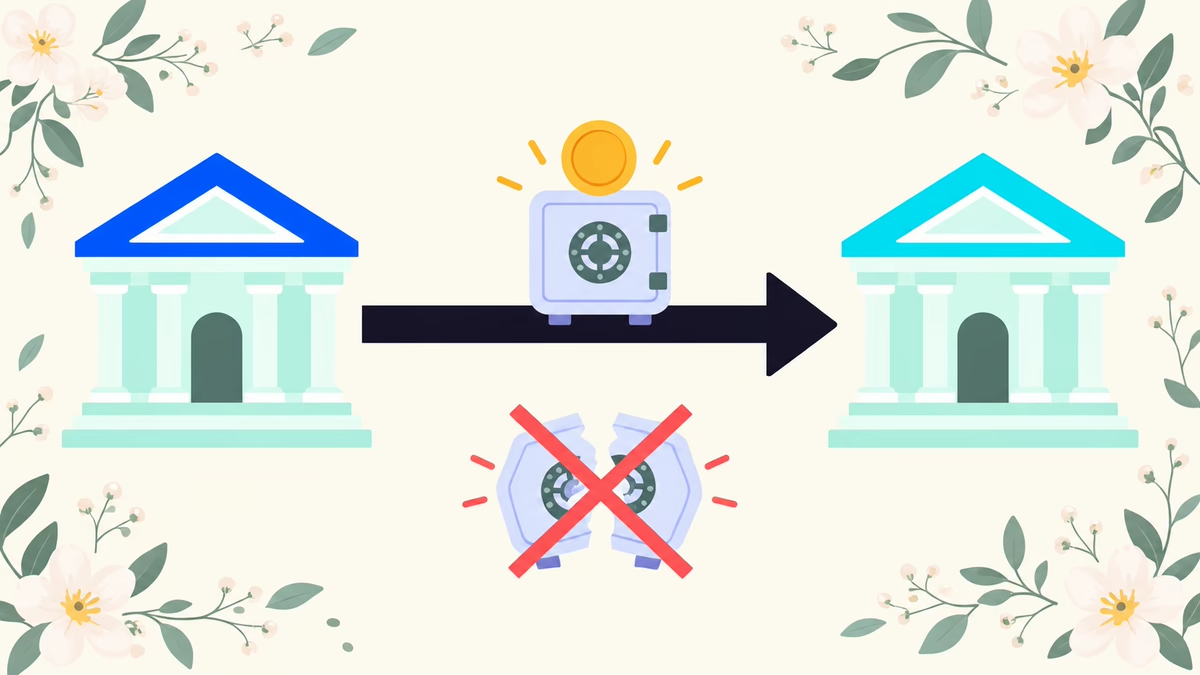
Moving a plan into BMO uses the government's RDSP transfer forms, signed by the holder and completed by both organizations, plus BMO's own paperwork. BMO's terms say its $50 fee may be applied to a registered plan transferred out, and the other institution may charge its own fee. The Government of Canada notes that organizations may set conditions and fees, so ask both sides before you start.
A withdrawal followed by a new deposit is not a transfer, and it can trigger repayment of grants and bonds from the last 10 years. Let the receiving organization coordinate the move.
Is BMO the right place for your RDSP?
BMO suits families who want a BMO professional to open the plan and who plan to hold GICs or mutual funds, especially if they already bank with BMO. It fits less well if you want to place your own ETF trades or need a published RDSP price list before calling. The grant and bond are identical either way.
- You prefer talking to someone. BMO's route runs through a professional, and the plan is not opened online.
- You want a guaranteed holding for part of the money. BMO lists GICs and an RDSP savings account alongside mutual funds.
- You want to choose your own investments. BMO's RDSP page does not describe a self-directed route, so compare an issuer that does.
- You already have a plan elsewhere. Only a full transfer is possible, and a $50 fee may apply on the way out of the old issuer.
Compare at least two issuers, including one self-directed option, and ask each for its fees in writing.
Frequently asked questions
Does BMO do RDSP accounts?
Yes. BMO offers RDSPs, and the Government of Canada lists Bank of Montreal among the organizations that issue them. BMO's RDSP page lists GICs and mutual funds through a BMO professional. The beneficiary must be approved for the disability tax credit, so confirm that approval before you call 1-800-665-7700 to open a plan.
Can you open a BMO RDSP online?
BMO's RDSP page showed no online application on October 4, 2026. It lists a phone number, an appointment booking and a branch finder, and each leads to a BMO professional. Ask BMO whether any step can be completed digitally for your file, and request the current forms before you travel to a branch.
Which bank is best for an RDSP?
No single bank is best for everyone. Grants and bonds are the same at every issuer, so compare how you open the plan, what you can hold and what it costs. BMO fits people who want a professional and GICs or mutual funds. A self-directed issuer fits people who want to choose their own investments.
Do I need a BMO account to open a BMO RDSP?
No. The Government of Canada says you do not need an existing account with an organization to open an RDSP there. You still need the beneficiary's disability tax credit approval, a Social Insurance Number for the holder and beneficiary, and a BMO professional to complete the application. Ask whether BMO requires any other account for your plan.
Can I move my RDSP to BMO from another bank?
Yes, as a full transfer. The Government of Canada says a transfer must move the whole plan, the holder starts it, and both organizations complete the required form. A beneficiary can have only one RDSP, so you cannot keep the old plan open. Ask the current issuer about any transfer-out fee.
How much does it cost to open a BMO RDSP?
BMO's terms give about $50 as the minimum to open an RDSP savings account and about $25 for each later deposit. They list no annual administration fee for RDSPs, but the trust agreement allows trustee fees after written notice. Mutual funds carry their own expense ratios. Ask BMO for a written quote before you sign.
Want help before you call BMO?
If you are unsure the beneficiary qualifies, or which institution should hold the plan, start with RDSP.ca's online eligibility questionnaire and speak with an advisor about your next steps. Our account-opening checklist lists what to prepare before any provider's application.